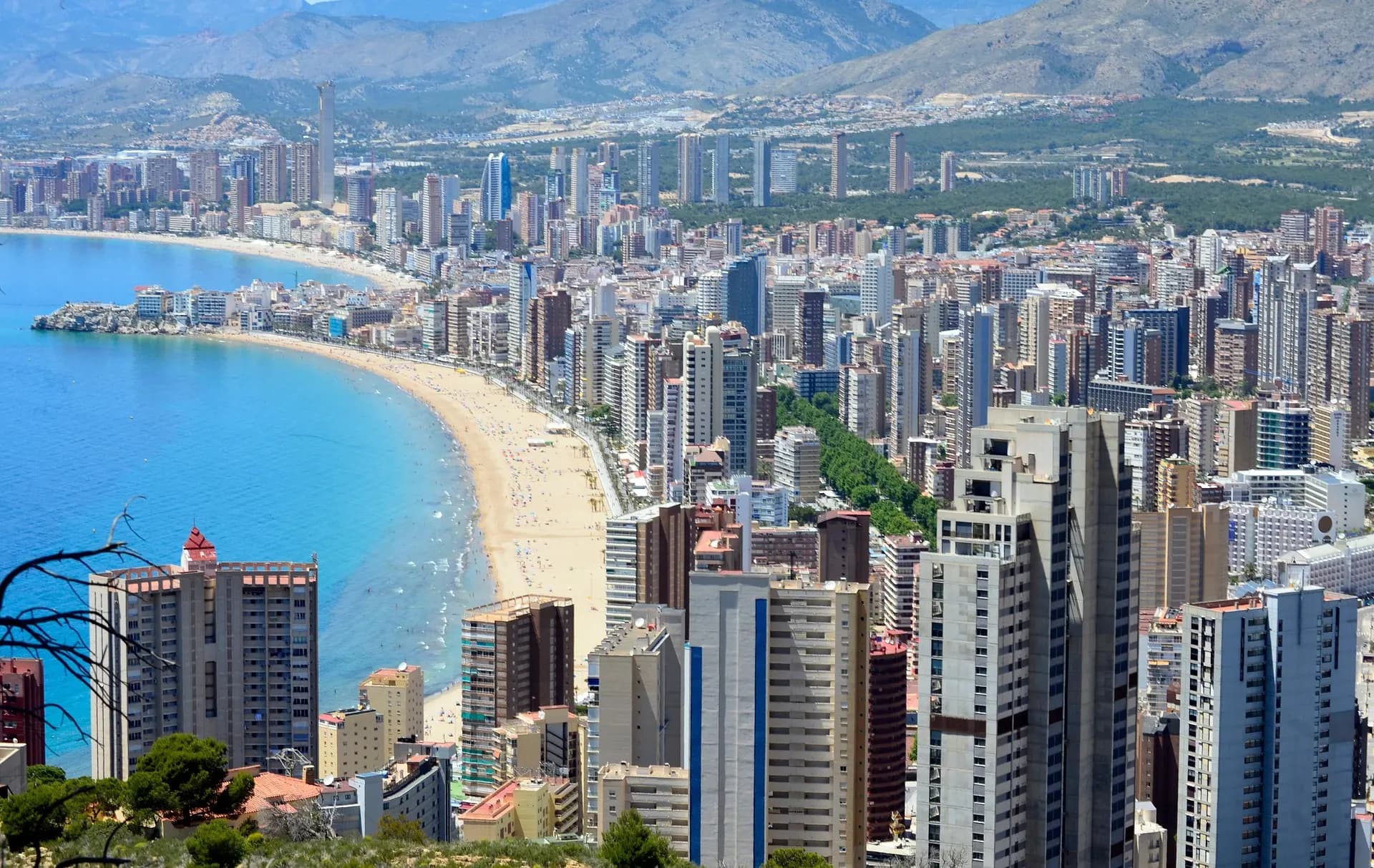
Spain Toll Roads 2026 — Peaje Tariffs, VIA-T, AP-6 to AP-9
Spain uses barrier-based per-km toll (peaje), not vignettes. Only 3 classes (I/II/III), ~1,400 km of AP-roads remain tolled. Get 2026 tariffs, VIA-T transponder guide, and the free AP-1/2/4/7 alternatives.
A Sınıfı
Otomobiller ve motosikletler özel A Sınıfı tarifesiyle ücretli yolları kullanabilir.
B Sınıfı
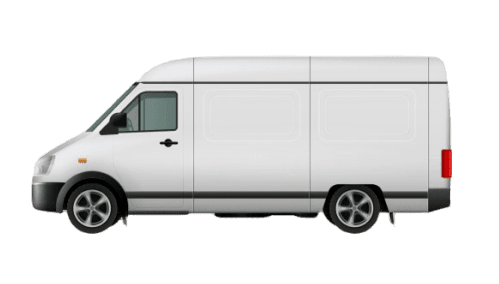
Vanlar ve minibüsler gibi daha büyük araçlar, ücretli yollara tam erişim için B Sınıfı vinyet gerektirir.
Diğer araçlar
Ağır kamyonlar ve özel araçlar otoyollara sorunsuz erişim için özel tarifelere ihtiyaç duyar.
Maliyet hesaplama
Fiyat üç faktör tarafından belirlenir: araç sınıfı, otoyol kesim türü (düzlük veya dağlık) ve işletmeci şirket.
Aracınızın ücretini kontrol etmek için sınıfınızı seçin ve tıklayın
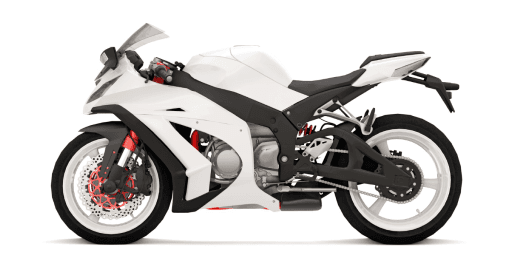
Motorcycle
Categoría I — ~€0.10/km, same as cars
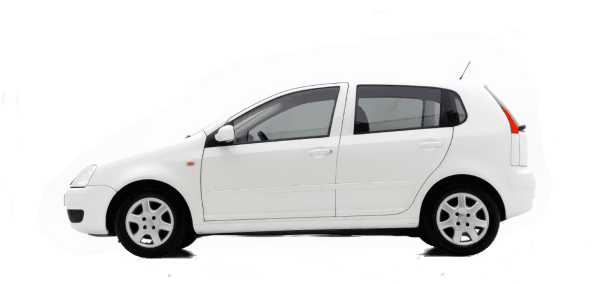
Passenger car ≤ 3.5 t
Categoría I — ~€0.10/km, the standard rate
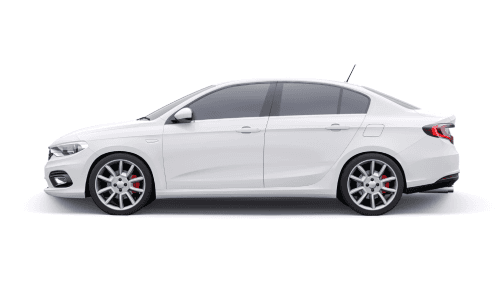
Van / Camper / SUV
Categoría I — same rate as cars (no height-based class in Spain)
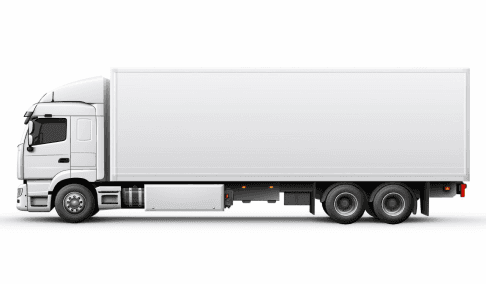
Truck 2 axles > 3.5 t
Categoría II — ~€0.18/km
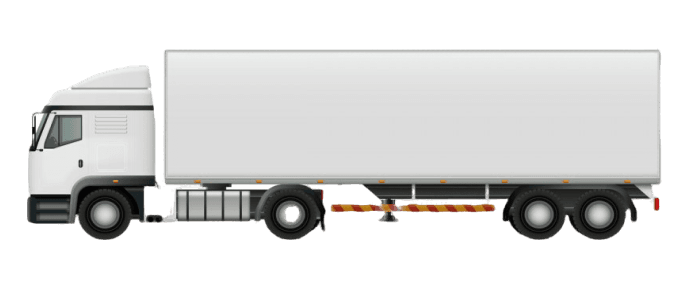
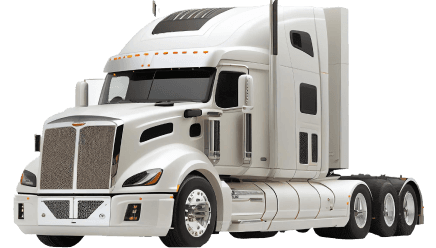
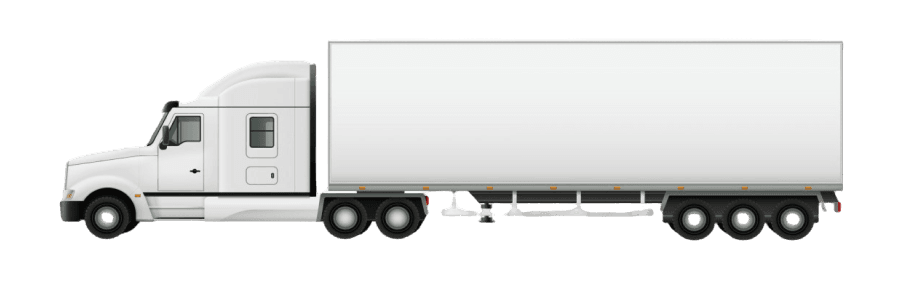
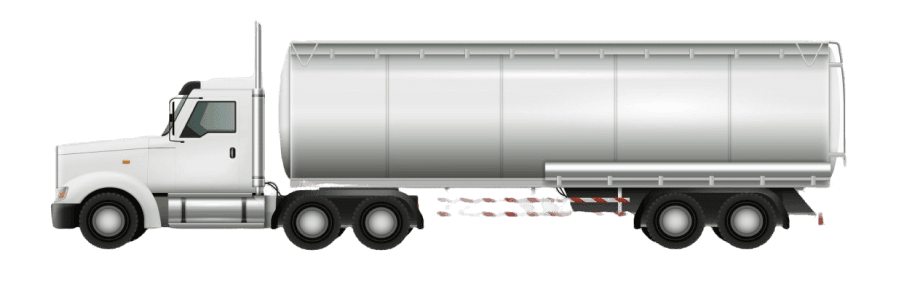
Truck 3+ axles > 3.5 t
Categoría III — ~€0.27/km, the highest rate
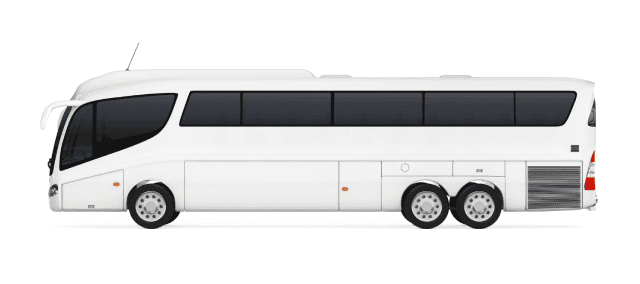
Bus > 3.5 t
Categoría II (2-axle) or III (3+ axle) depending on configuration
Bu ülkedeki ücretli yollar
- Ücretli
- Kısmen
- Ücretsiz
Bu ülkedeki ücretli yollar
- AP-6Ücretli
Villalba (Madrid) → Adanero
Uzunluk: 80 km
Northwest exit from Madrid through the Guadarrama tunnels. Main route to Salamanca, Valladolid and northwest Spain. Toll ~€11 for cars.
- AP-7 (Aucosta)Ücretli
Cartagena → Vera (Almería)
Uzunluk: 75 km
Short tolled section south of Cartagena toward Almería province — the last remaining AP-7 toll concession (until 2048). ~€6 for cars end-to-end. All other AP-7 sections from the French border to Cartagena are FREE since 2020-2021.
- AP-9Ücretli
A Coruña → Tui (PT border)
Uzunluk: 220 km
"Autopista del Atlántico" — Galician Atlantic corridor: A Coruña → Santiago de Compostela → Pontevedra → Vigo → Portuguese border (becomes Portuguese A3 to Porto).
- AP-46Ücretli
Málaga → Estepona
Uzunluk: 84 km
Costa del Sol coastal motorway. Alternative to free A-7. ~€11 for cars Málaga → Estepona.
- AP-53Ücretli
Santiago de Compostela → Dozón
Uzunluk: 57 km
Galician connector — Santiago → Ourense direction.
- AP-66Ücretli
León → Campomanes
Uzunluk: 78 km
"Autopista Ruta de la Plata" — León → Asturias via the Huerna tunnel (4 km), the main mountain crossing to Oviedo and Gijón.
- AP-68Ücretli
Bilbao → Zaragoza
Uzunluk: 294 km
"Autopista Vasco-Aragonesa" — Basque Country to Aragon. Bilbao → Logroño → Zaragoza. ~€33 for cars end-to-end.
Genel bilgi
Here you'll find a snapshot of the rules you need when driving across Europe. Every country sets its own speed limits, alcohol thresholds, winter-tyre dates and required-equipment checklist — always open the country page you're heading to for the precise figures and fines.
Hız sınırları
- Built-up areas: 50 km/h (30 km/h on single-lane streets since 2021 reform; 20 km/h on shared-use streets) - Conventional roads (extraurbano): 90 km/h (cars/motorcycles), 80 km/h (vehicles > 3.5 t to 7.5 t), 70 km/h (HGV > 7.5 t) - Autovía / Autopista: 120 km/h (cars/motorcycles), 100 km/h (vans ≤ 3.5 t), 90 km/h (vehicles > 3.5 t) - Adverse weather: drivers must reduce speed appropriately (no fixed rain limit unlike France) - Daytime running lights mandatory only in tunnels, fog and rain (not full year)
Alkol ve telefon kullanımı
- Alcohol limit: 0.5 g/L blood (0.25 mg/L breath) for experienced drivers - New drivers (< 2 years' licence) and professional drivers: 0.3 g/L blood (0.15 mg/L breath) - 0.5–1.2 g/L: administrative offence, €500–€1,000 + 4–6 demerit points - Above 1.2 g/L: criminal offence, up to €1,200 fine + 3–6 months prison + 1–4 year licence suspension - Holding a mobile phone while driving: €200 fine + 6 demerit points (since 2022 reform raised from 3 to 6 points) - Wearing earphones, headphones or earbuds while driving: €200 + 3 points (banned even in one ear)
Kış ekipmanları
- Winter tyres are NOT mandatory by law in Spain (unique alongside Poland in the EU) - Snow chains are mandatory only when the "Cadenas obligatorias" sign is displayed — typically on Cantabrian and Pyrenean mountain passes (Pajares, Huerna, Somport, La Bonaigua) - Once chains are required, vehicles without them must turn back at the checkpoint - Studded tyres are permitted year-round but rarely used - Drivers should still carry chains in winter when crossing high passes (Madrid → Asturias, Madrid → French Pyrenees)
Zorunlu ekipman
- V-16 luminous emergency beacon — mandatory for ALL vehicles since 1 January 2026 (replaces the previous 2 warning triangles). DGT-certified, connected V-16 sends your location automatically when activated. - Until 1 Jan 2026: two warning triangles (one in front, one behind) - High-visibility reflective vest (mandatory) — must be worn when leaving the vehicle on autovía / autopista - Spare tyre or repair kit: not legally required but strongly recommended - Documents: driving licence (permiso de conducir), vehicle registration (permiso de circulación), insurance (seguro) - DGT Environmental Sticker (Etiqueta Ambiental: 0, ECO, C, B) — mandatory for entering low-emission zones (ZBE) in Madrid 360, Barcelona, Valencia, Sevilla and ~150 other cities
Yolcu güvenliği
- Seat belts are mandatory in every seat, front and rear - Children under 135 cm must use an approved child restraint (silla infantil) adapted to size and weight - Children under 12 cannot sit in the front seat unless secured in a child seat AND no rear seat is available - Motorcycle: helmet is mandatory for both rider and pillion passenger - Daytime running lights are required for motorcycles year-round - Pets must be secured (carrier, harness, or rear grille); driving with an unrestrained pet is a €100 fine + 3 points
Toll roads and peaje in Spain — full 2026 guide
Spain operates a much smaller toll-motorway network than France or Italy — about 1,400 km of AP-roads (autopistas de peaje) remain tolled in 2026, down from ~3,400 km pre-2018. Spain uses a barrier-based per-km toll (peaje) at toll booths or via the electronic transponder VIA-T (interoperable with French Bip&Go and Portuguese Via Verde through EETS). Most national autovías (A-roads) and many former AP-roads are FREE — AP-1, AP-2, AP-4, AP-7 in Catalonia, AP-7 Alicante–Cartagena all became free in 2018–2021 as concession contracts expired.
Spain uses only 3 toll classes (much simpler than France's or Italy's 5): Categoría I (Ligeros) — all light vehicles ≤ 3.5 t including cars, motorcycles, vans, campers, SUVs, ~€0.10/km. Unlike France/Italy, there's no height-based premium for tall vehicles. Categoría II (Pesados 1) — 2-axle vehicles > 3.5 t (rigid trucks, buses), ~€0.18/km. Categoría III (Pesados 2) — 3+ axle vehicles (articulated lorries, large buses), ~€0.27/km.
To pay, the simplest option is the blue VIA-T lane at the toll booth with an electronic transponder. VIA-T works across all Spanish AP-roads and is also accepted in France (Bip&Go) and Portugal (Via Verde) — one tag for the whole Iberian / French corridor. Visitors can rent or buy VIA-T online at bipandgo.com or via Telpark. Without a transponder, pay at booths in cash or by card (Visa, Mastercard, Maestro contactless). All booths accept EUR.
Example end-to-end tolls for Categoría I (cars) in 2026: Madrid → Adanero (AP-6, 80 km) ≈ €11 — the busy Guadarrama crossing. A Coruña → Vigo (AP-9, 158 km) ≈ €18 — Galicia's only major toll road. Bilbao → Zaragoza (AP-68, 294 km) ≈ €33. León → Asturias (AP-66 Huerna tunnel) ≈ €12. Málaga → Estepona (AP-46, 84 km) ≈ €11 — Costa del Sol coastal alternative. Tarragona → Alicante (AP-7 south, 380 km) ≈ €36. The Catalan tunnels Cadi (C-16) and Vallvidrera (C-16 Barcelona) cost €13 and €5 respectively.
Fines for skipping a Spanish toll booth start at €100 and rise sharply if not paid within 20 days — operators can pursue civil collection through your home-country authority under EU Directive 2015/413 (cross-border enforcement). Spanish ANPR cameras capture every plate at gantries. If your VIA-T fails to charge, you can usually resolve it on the concession's website within 7 days without penalty.
Tourist tips: most of Spain's major routes are now FREE — the A-2 Madrid → Zaragoza → Barcelona, A-4 Madrid → Andalusia, A-3 Madrid → Valencia, and the Mediterranean AP-7 in Catalonia are all toll-free since 2021. Galicia's AP-9 remains the most expensive per-km route. Winter equipment (chains or M+S/3PMSF tyres) is mandatory only when signage requires it — most commonly on the León/Asturias passes (Pajares, Huerna) and high Pyrenean roads. Spain has low-emission zones (ZBE) in Madrid (Madrid 360), Barcelona, Valencia and others — older vehicles without DGT environmental sticker may be restricted.